How to Draft a Successful Proposal for FP7 Funding 

 08 Sep 2009 


Arts and Humanities researchers are invited to apply to attend a one day training course to maximise the chance of success of securing European FP7 funding.

The most recent calls for proposals of FP7 (Seventh Framework Programme) were launched in late July 2009, with many deadlines falling around the end of the year and in early 2010.

To enable UK researchers to put in the best application possible the UKRO will be holding a one-day proposal writing course in two different venues (Salford and London) for researchers and research administrators involved in preparing FP7 proposals. The course is designed to help you find funding opportunities in FP7, give an overview of the submission and evaluation process, cover key financial and legal issues to consider when drafting a proposal and help you maximise your chances of success, with hints and tips and examples of best practice.

Participants will understand where the European funding opportunities for their research lie and what steps to take to prepare an application, and gain feedback on experiences from previous FP7 calls for proposals. No previous experience with the Framework Programme is required. This course will also provide an excellent networking opportunity.

Only 100 places are available at each session and they will take place as follows:
15 October 2009 - Old Fire Station, University of Salford
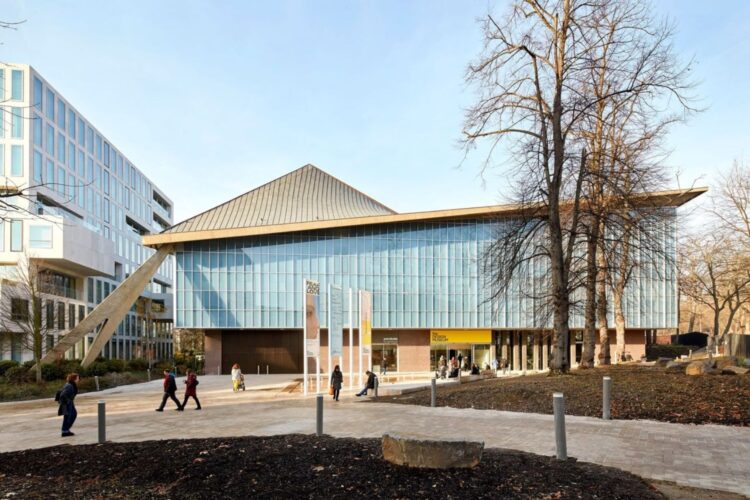
16 October 2009 - Flett Theatre, Natural History Museum, London

For more information please go to the UKRO website


END

FP7 is the short name for the Seventh Framework Programme for Research and Technological Development. This is the EU's main instrument for funding research in Europe and it will run from 2007 to 2013. The EC budget for the next seven years is € 50.5 billion and the Euratom budget for the next five years is € 2.7 billion1. Overall, this represents a 41% increase from FP6 at 2004 prices and 63% at current prices. FP7 is also designed to respond to Europe’s employment needs and competitiveness. FP7 supports research in selected priority areas - the aim being to make, or keep, the EU as a world leader in those sectors.

About the Arts and Humanities Research Council - Each year the AHRC provides approximately £102 million from the Government to support research and postgraduate study in the arts and humanities, from languages and law, archaeology and English literature to design and creative and performing arts. In any one year, the AHRC makes approximately 700 research awards and around 1,350 postgraduate awards. Awards are made after a rigorous peer review process, to ensure that only applications of the highest quality are funded. Arts and humanities researchers constitute over a quarter of all research-active staff in the higher education sector. The quality and range of research supported by this investment of public funds not only provides social and cultural benefits but also contributes to the economic success of the UK.