AHRC funds outstanding original research across the whole range of the arts and humanities.
11 April 2024
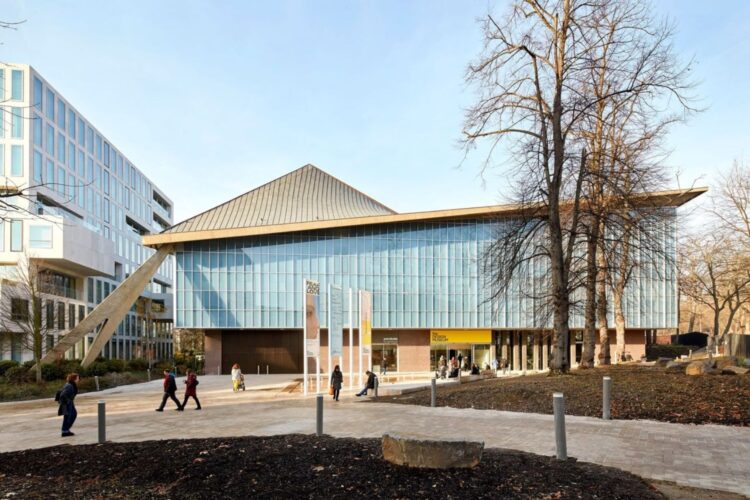
The Design Museum awarded independent research organisation status
27 March 2024
Major research and innovation infrastructure investment announced
19 March 2024
AHRC Executive Chair appointment extended
View all AHRC news
23 April 2024
Shakespeare’s language: a voyage through numbers
26 February 2024
What’s in a story? How the arts can impact public policy
View all AHRC blog posts
The Metascience Grants Programme funds cutting-edge research into more effective ways of conducting and supporting Research and Development (R&D).
You must be based at a UK research organisation eligible for UK Research and Innovation (UKRI) funding.
Flexible awards to fund fundamental research that leads to new research agendas, networking activity and idea generation, which enables the development of further research opportunities and new research agendas.
View all AHRC opportunities
Arts & Humanities Research Council Polaris House, North Star Avenue, Swindon, SN2 1ET
Sign up for news, views, events and funding alerts.
AHRC doctoral focal awards scheme online surgery: Jun 2024
20 June 2024
Online
View all AHRC events
This is the website for UKRI: our seven research councils, Research England and Innovate UK. Let us know if you have feedback or would like to help improve our online products and services.